
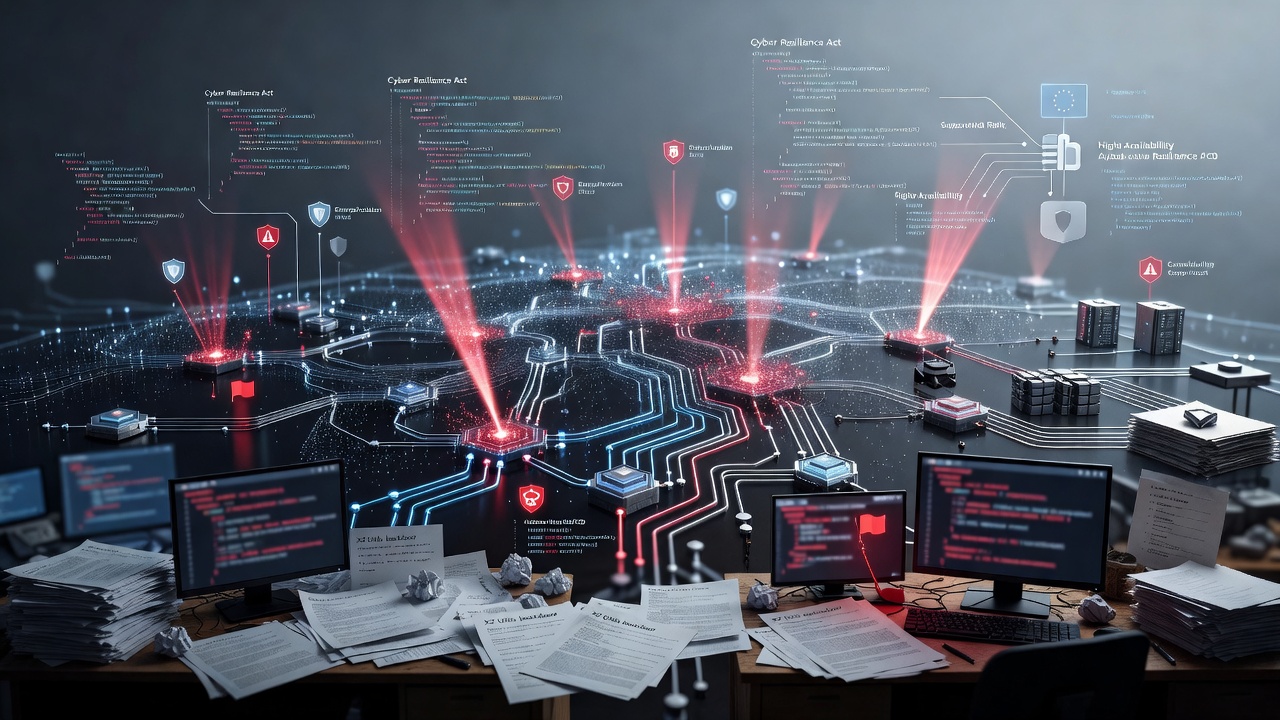
As artificial intelligence tools make it dramatically cheaper to comb through source code for security flaws, open-source projects are seeing a sudden spike in reported vulnerabilities-often before proprietary software faces the same scrutiny. Analysts argue this surge is likely a temporary peak rather than a permanent trend, but it could still force smaller maintainer communities into funding crises, consolidation, or abandonment.
Why open source is hit first
AI-assisted analysis can now examine billions of lines of legacy code far faster than human researchers ever could, surfacing defects that may have existed for years without being detected. Open-source projects tend to face this scrutiny earlier and more visibly than closed-source software for three structural reasons: their source code is openly accessible, independent researchers and automated tools can study it without restriction, and fixes or disclosures tend to happen in public view. Closed-source vendors can often run similar AI analysis internally and patch issues before anything becomes public, delaying-but not necessarily eliminating-their own reckoning with hidden defects.
A temporary flood, not endless growth
The expected pattern is a sharp, short-term rise in discovered vulnerabilities as AI tools work through a backlog accumulated over decades, followed by a decline once that backlog is substantially exhausted. For this decline to hold, AI-assisted vulnerability detection needs to become a routine, affordable part of everyday software development-integrated into continuous integration and deployment pipelines-so that new flaws are caught and fixed before they pile up again. Without that continuous reassessment, newly written code, including AI-generated code, could simply replenish the backlog at a similar pace.
Pressure on maintainers and the supply chain
Many widely used open-source components are maintained by small, underfunded teams or even single volunteers, a structural weakness long recognized in incidents such as the 2024 XZ Utils backdoor. A sudden wave of AI-detected vulnerabilities adds triage, remediation, and disclosure workload that these teams may not be equipped to absorb, especially as regulations like the European Union's Cyber Resilience Act raise compliance expectations for software supply chains. The likely result is uneven: well-funded projects with dedicated security engineering may emerge stronger, while poorly resourced ones face consolidation or abandonment, concentrating risk in fewer surviving projects.
What enterprises need to change
Because AI can also compress the time between a vulnerability's discovery and its exploitation, traditional patch-and-deploy cycles may no longer be fast enough. Organizations are being urged to adopt automated testing, cloud-native rolling updates, user-space live patching, and high-availability clustering to shorten the gap between a fix becoming available and it reaching production systems, without interrupting service continuity.